Bedside ventilatory settings guided by respiratory mechanics in acute respiratory distress syndrome
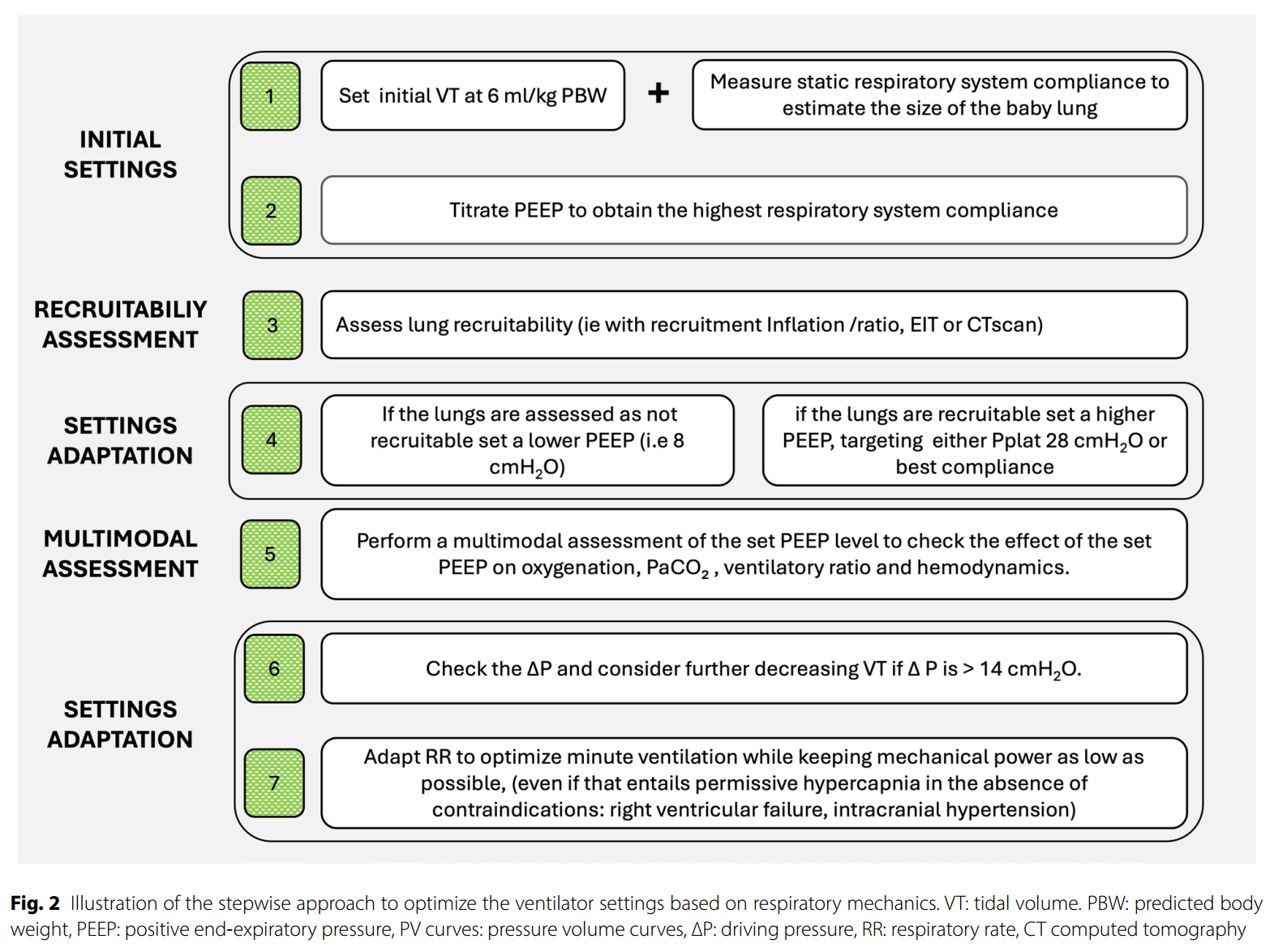
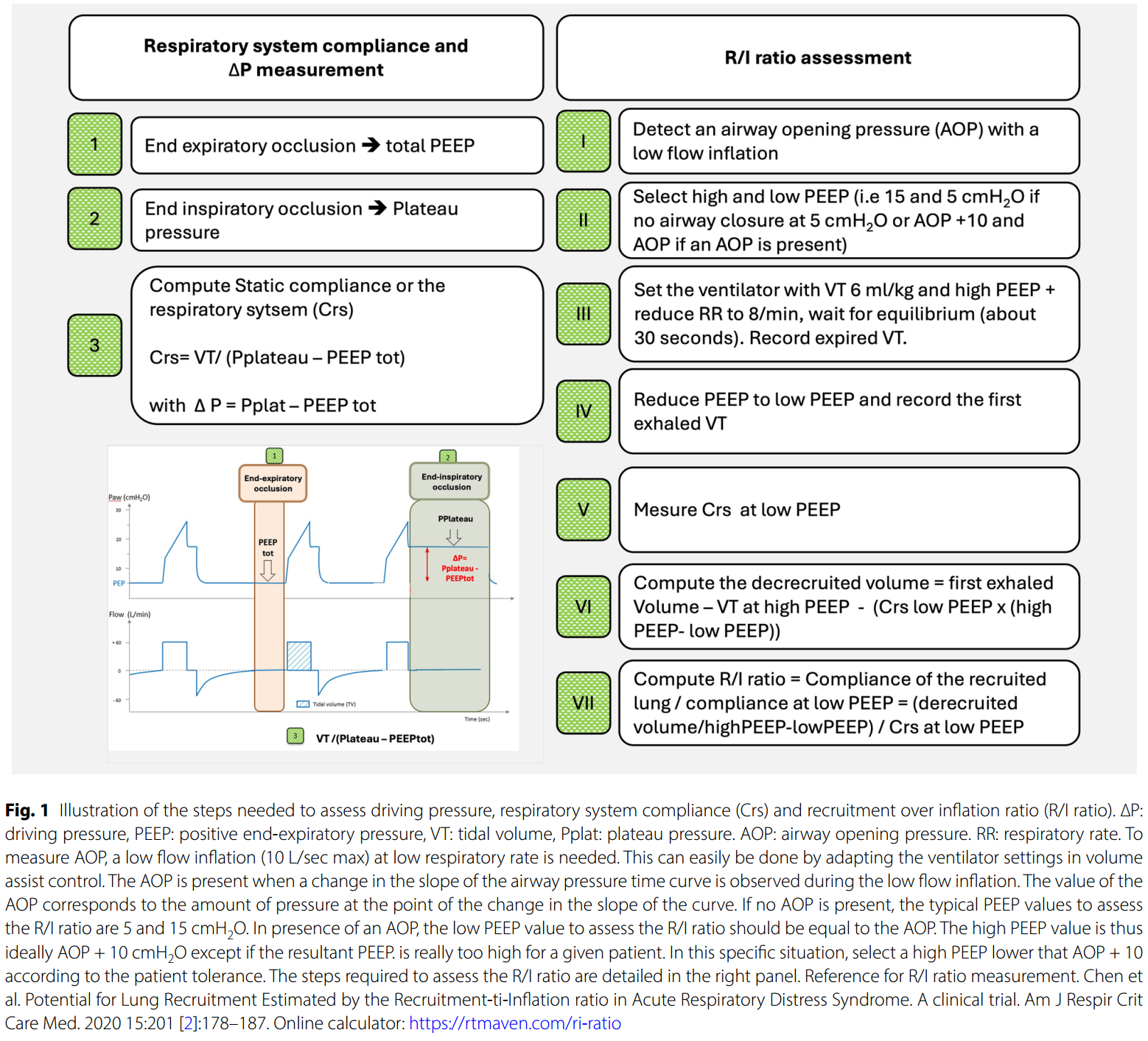
Ventilatory management of acute respiratory distress syndrome (ARDS) requires a careful balance between achieving adequate gas exchange and minimizing ventilator-induced lung injury (VILI). Recent advances in bedside monitoring of respiratory mechanics have created new opportunities to individualize mechanical ventilation by aligning ventilator settings with the patient’s dynamic pathophysiology. This review synthesizes current evidence on key respiratory mechanics parameters - such as driving pressure, respiratory system compliance, airway resistance, mechanical power - and examines how they can guide titration of tidal volume, positive end-expiratory pressure (PEEP), and respiratory rate. By integrating real-time assessments of respiratory mechanics, clinicians can reduce stress and strain, limit alveolar overdistension and collapse, and optimize oxygenation and ventilation. Moreover, practical strategies are discussed for implementing physiology-guided ventilation in the intensive care unit, with attention to patient-specific characteristics and the heterogeneity of ARDS subphenotypes. Respiratory mechanics-guided ventilation represents a pragmatic, individualized strategy that enhances lung protection, complements established protocols and may contribute to improve survival. Further experimental and clinical studies are required to validate these approaches and translate them into precision medicine for ARDS.