Venous dimension of shock : Integrating arterial inflow and venous back-pressure in hemodynamic assessment
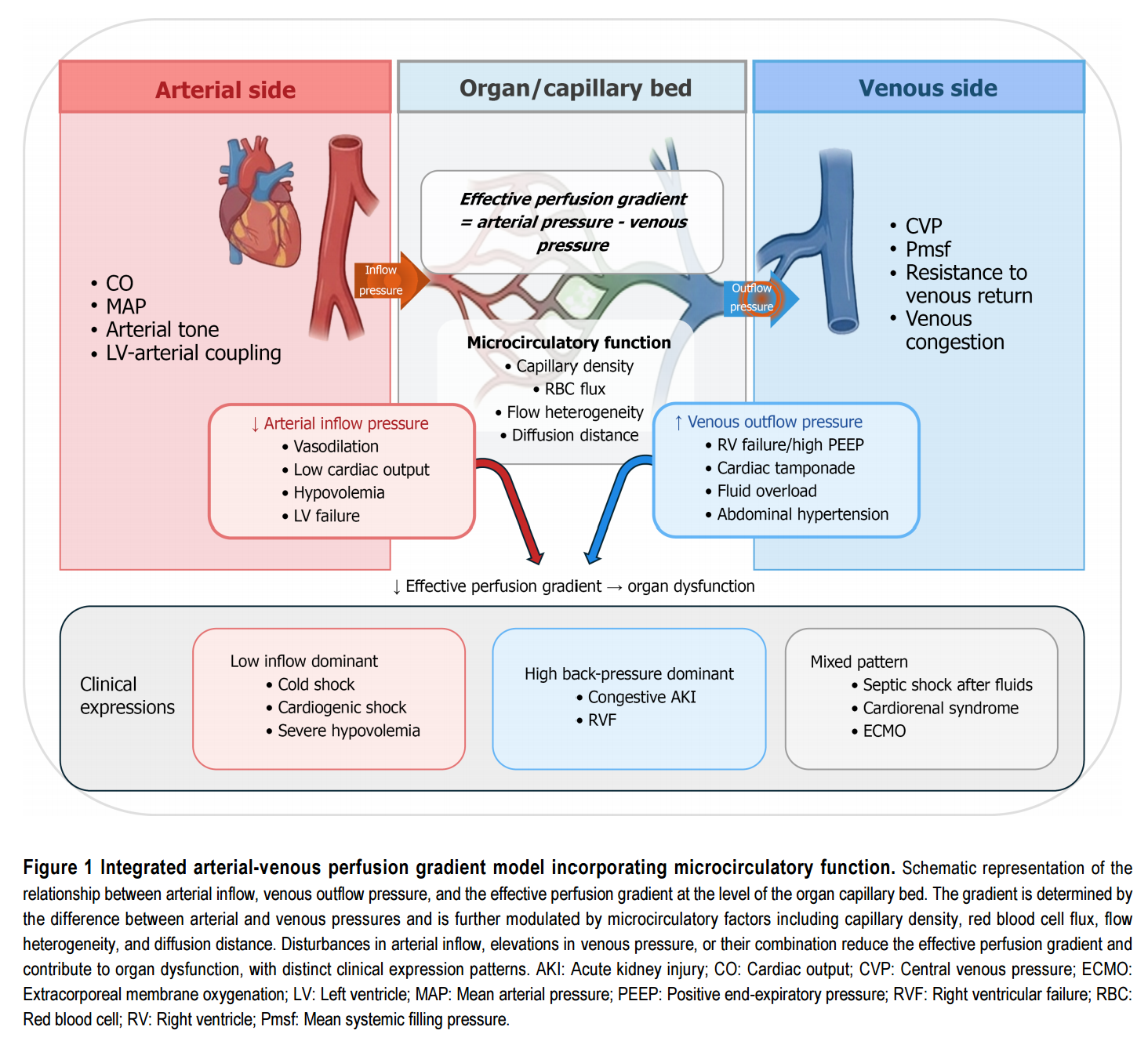
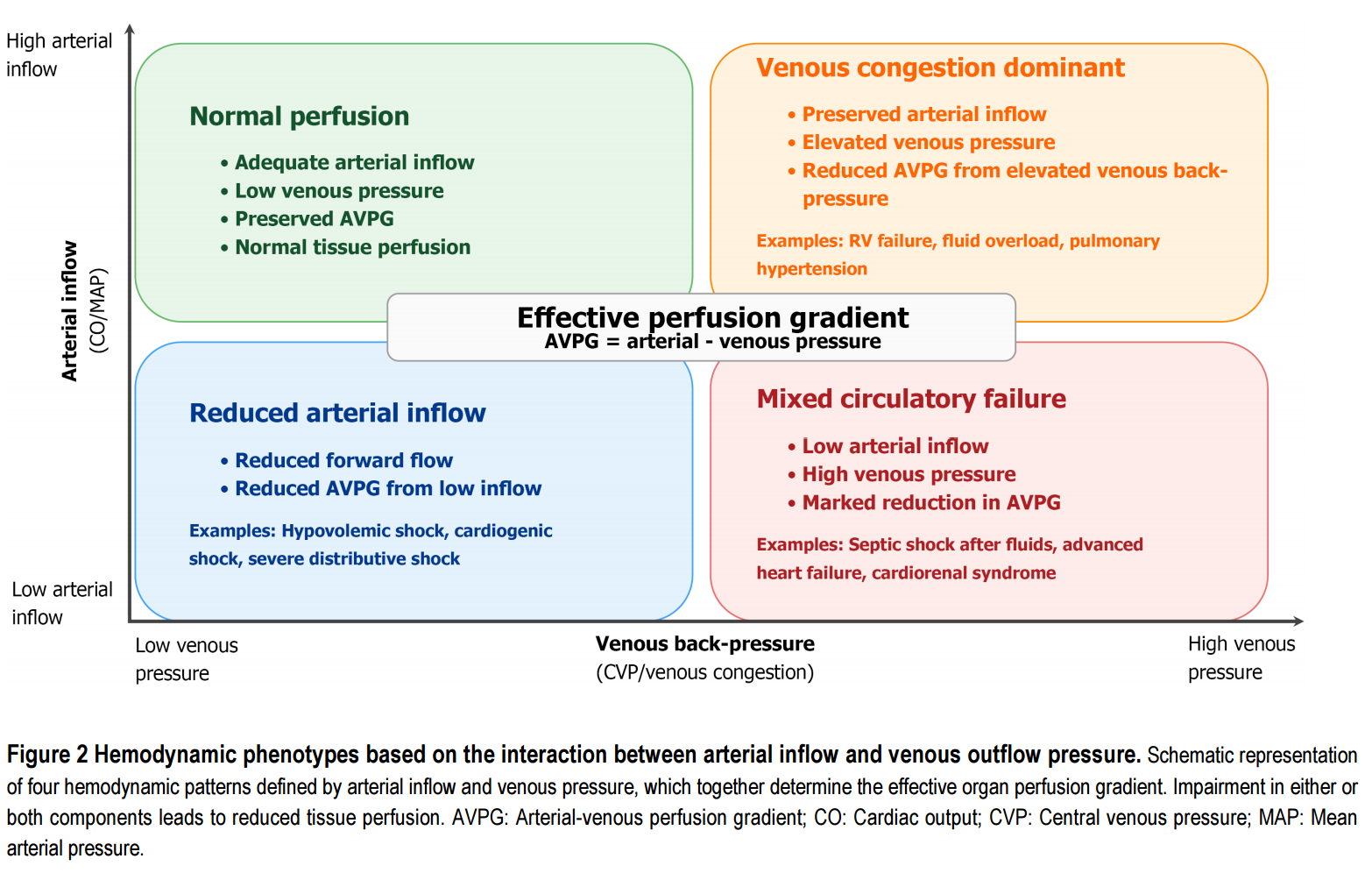
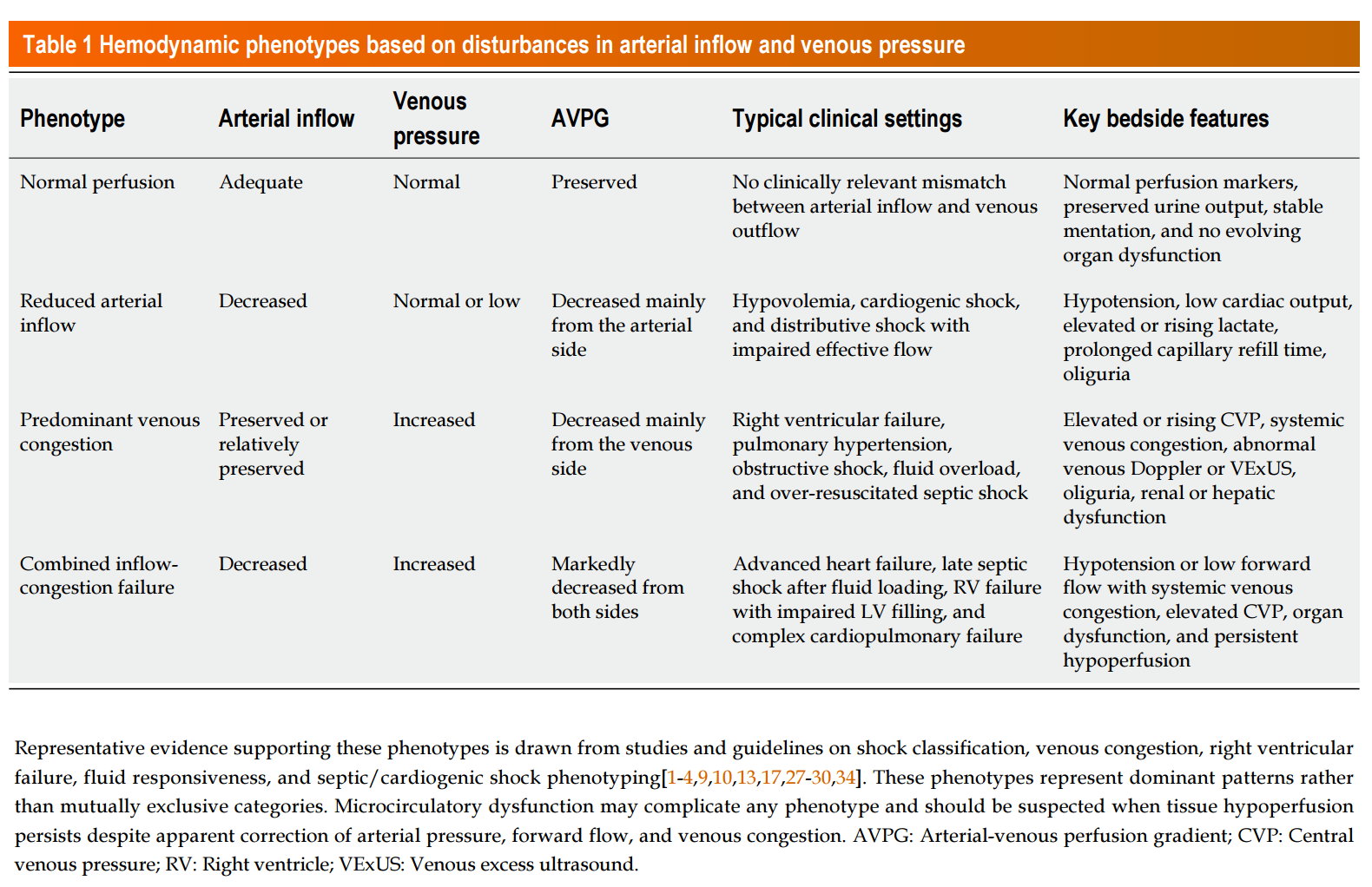
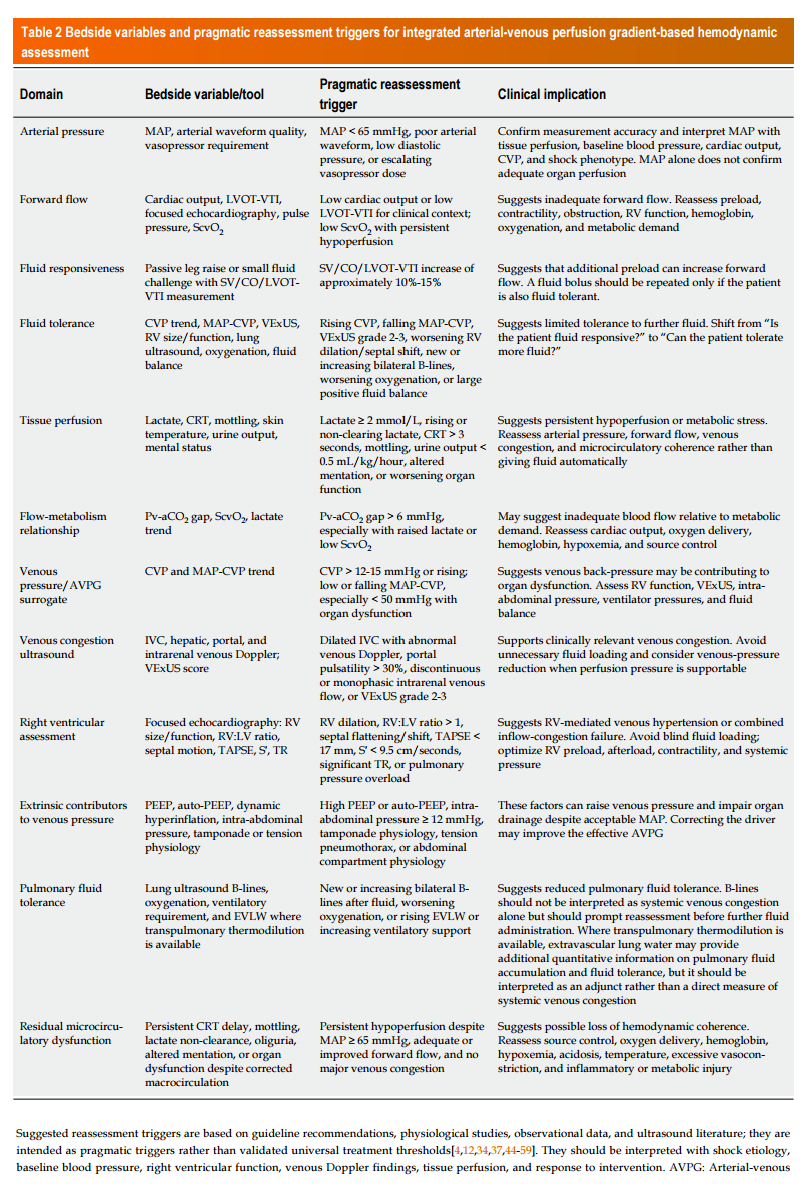
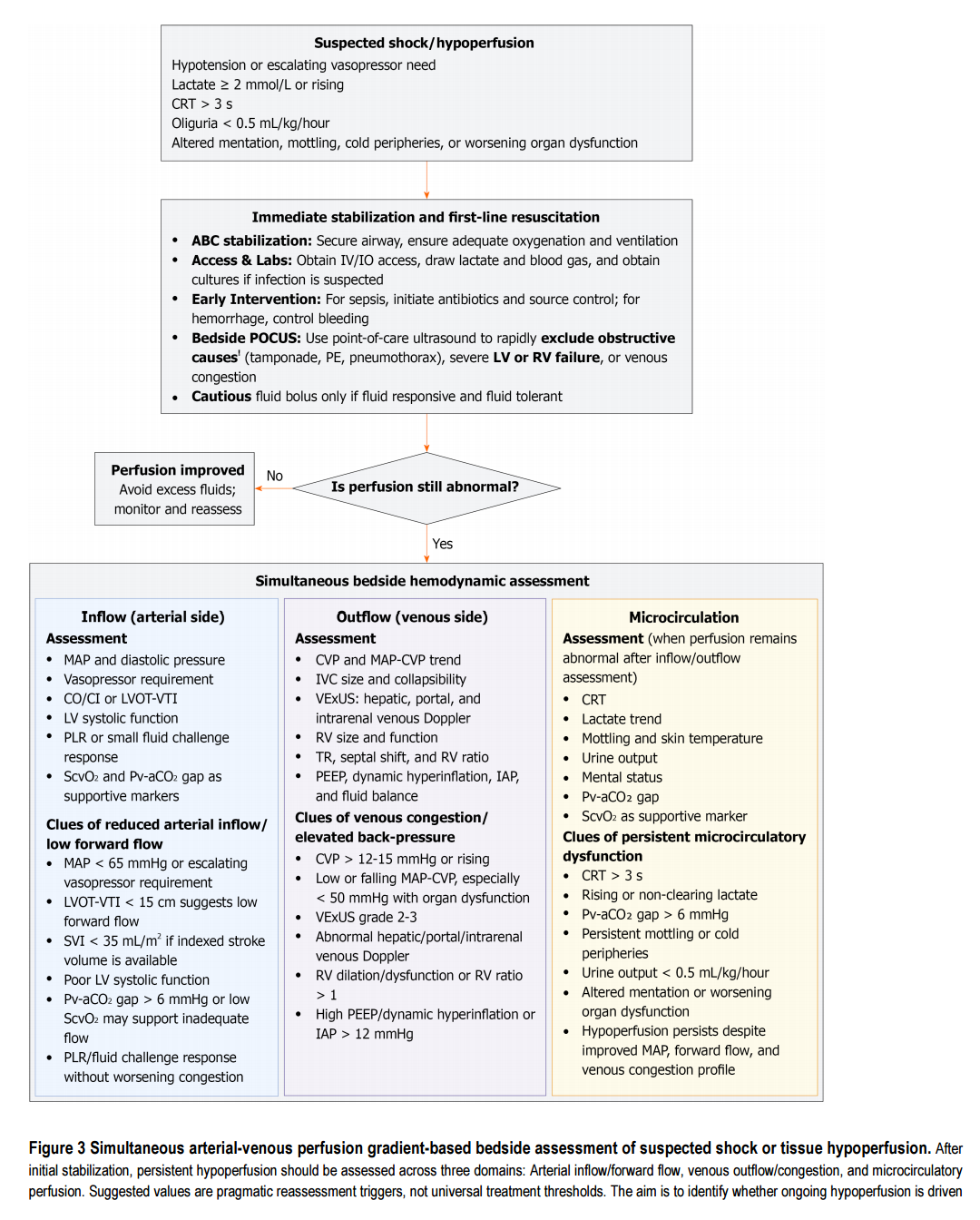
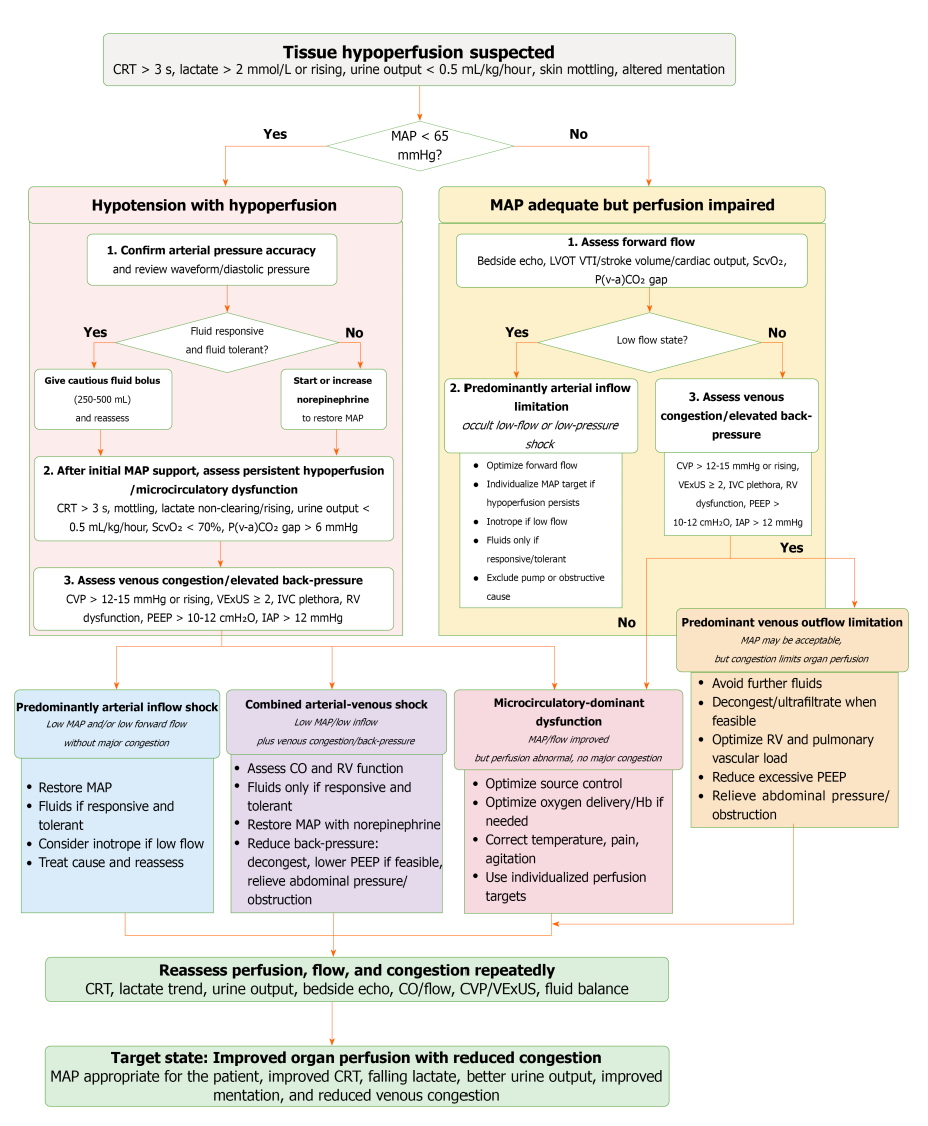
The review summarizes the physiology of venous return and right ventricular function, introduces the AVPG (arterial-venous perfusion gradient)-based hemodynamic phenotypes, examines the organ-specific consequences of venous congestion in the kidney, liver, splanchnic circulation, and brain, and discusses bedside tools including point-of-care ultrasound, venous Doppler assessment, and the venous excess ultrasound (VExUS) score. Finally, we translate these concepts into therapeutic implications for fluid administration, vasoactive support, decongestion, microcirculatory reassessment, and extracorporeal support.